BASSCARE
健康与保健

消暑:墨尔本今夏七大热浪安全提示

在大自然的严酷考验面前,准备与保护并存。.

作者
BASSCARE 保健

Where preparation meets protection in the face of nature’s intensity.

Melbourne’s summer can be a tale of two seasons – one moment you’re reaching for a cardigan, the next you’re seeking refuge from scorching temperatures that seem to appear from nowhere. But when those infamous heatwaves roll across Victoria, they bring more than just discomfort. They carry the potential to transform ordinary days into dangerous ones, particularly for those who’ve earned the wisdom that comes with life experience.

The magic lies not in avoiding the heat entirely – that’s impossible in our beautiful city – but in understanding how to dance with it gracefully. Each summer, heatwave safety tips become more than mere suggestions; they become the difference between thriving and merely surviving when the mercury soars beyond 35°C for days on end.

This isn’t about living in fear of Melbourne’s weather patterns. It’s about embracing the power of preparation and the wisdom of taking proactive steps to protect yourself and those you care about during extreme heat events.

健康与保健精选阅读

Understanding Melbourne’s Heatwave Patterns

Melbourne’s climate has always been famously unpredictable, but recent years have revealed new patterns that demand our attention and respect.

What Defines a Heatwave in Melbourne?

The Bureau of Meteorology defines a heatwave as three or more consecutive days where maximum and minimum temperatures are unusually high for that location. In Melbourne, this typically means:

  • Maximum temperatures exceeding 35°C for three consecutive days
  • Minimum overnight temperatures remaining above 20°C
  • Humidity levels that make the heat feel even more intense
When Heatwaves Strike

Melbourne’s heatwave season typically runs from December through February, with January often delivering the most intense conditions. However, climate patterns have shown these extreme events can occur as early as November or extend into March.

The city’s unique geography – sitting between the cooling influence of Port Phillip Bay and the heat-generating western plains – creates microclimates that can vary dramatically across suburbs.

The Hidden Dangers of Extreme Heat

Heat doesn’t just make us uncomfortable – it places genuine stress on our bodies in ways that aren’t always immediately obvious.

How Heat Affects Your Body

When temperatures soar, your body works overtime to maintain its core temperature of around 37°C. This process becomes increasingly challenging as we age, when our body’s cooling mechanisms may not function as efficiently as they once did.

The risks include:

  • Heat exhaustion: Characterised by heavy sweating, weakness, and nausea
  • Heat stroke: A life-threatening condition where body temperature rises dangerously high
  • Dehydration: Often developing gradually and going unnoticed until serious

Medication complications: Many common medications can affect heat tolerance

Recognising the Warning Signs

Understanding your body’s signals becomes crucial during extreme heat:

  • Excessive thirst or dry mouth
  • Dizziness or light-headedness 
  • Fatigue or weakness
  • Headaches
  • Nausea or vomiting
  • Confusion or irritability

7 Essential Heatwave Safety Tips for Melbourne Summers

Master the Art of Hydration

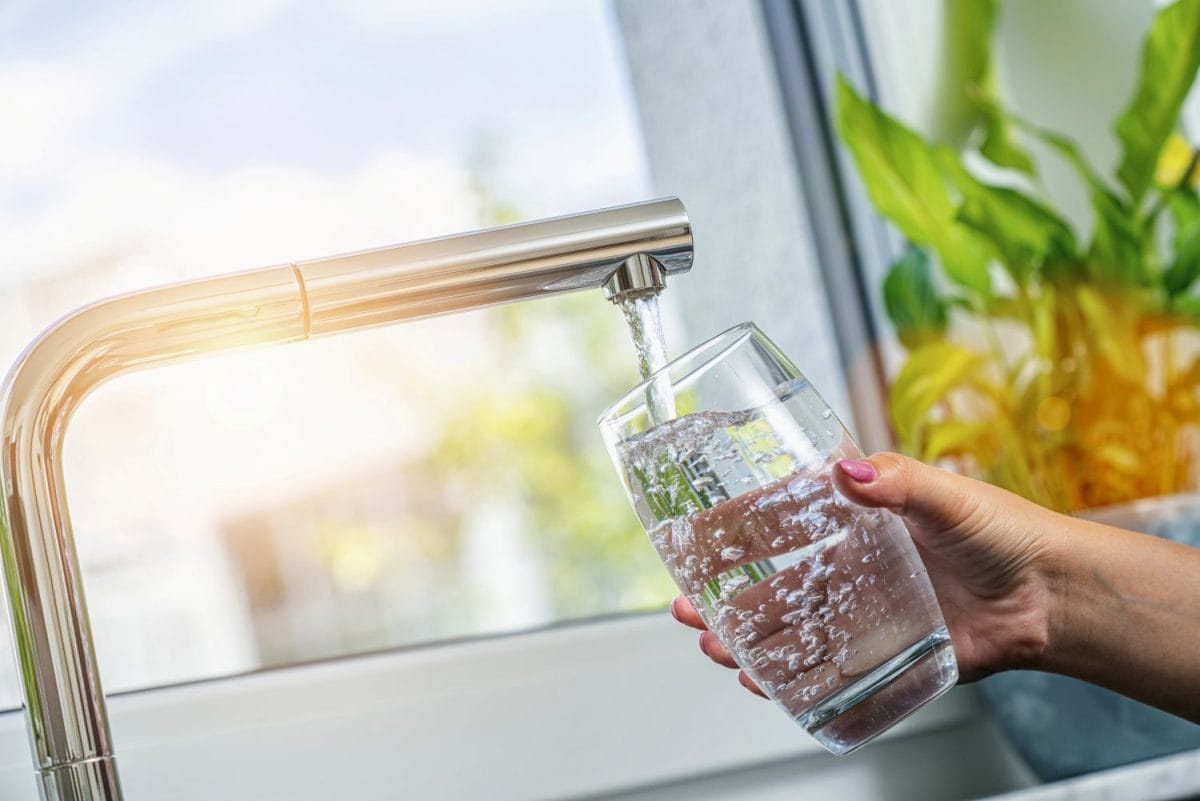
Water becomes your most powerful ally during a heatwave, but effective hydration goes beyond simply drinking when you feel thirsty.

Strategic Hydration Approach:

  • Begin each day with a large glass of water before your morning routine
  • Aim for 8-10 glasses throughout the day, increasing during extreme heat
  • Choose water over caffeinated or alcoholic beverages, which can contribute to dehydration
  • Add a pinch of salt or electrolyte tablets to water if sweating heavily

Hydration Timing:

  • Drink regularly throughout the day, not just when thirsty
  • Keep water beside your bed for overnight sips
  • Have a glass before and after any outdoor activities
  • Monitor urine colour – pale yellow indicates good hydration
Create Your Personal Cool Zone

Transform your living space into a sanctuary that defies the external heat through thoughtful preparation and strategic cooling.

Indoor Climate Control:

  • Close curtains and blinds during the day to block solar heat gain
  • Use fans strategically – ceiling fans should rotate counterclockwise in summer
  • Create cross-ventilation by opening windows on opposite sides during cooler evening hours
  • Consider portable air conditioning units for bedrooms if central cooling isn’t available

DIY Cooling Solutions:

  • Place damp towels over chairs or furniture for evaporative cooling
  • Freeze water bottles to use as personal cooling devices
  • Take cool showers or baths to lower body temperature
  • Use cooling towels around your neck and wrists where blood vessels are close to the skin
Time Your Activities Wisely

The secret to maintaining an active lifestyle during heatwaves lies in working with nature’s rhythms rather than against them.

Optimal Activity Windows:

  • Early morning (5:00-8:00 AM): Coolest temperatures and lowest UV exposure
  • Late evening (7:00-9:00 PM): Heat begins to dissipate, safer for outdoor activities
  • Avoid midday (11:00 AM-4:00 PM): Peak heat and UV radiation periods

Activity Modifications:

  • Move exercise routines indoors or to air-conditioned facilities
  • Choose shaded walking paths in parks or along tree-lined streets
  • Consider water-based activities like swimming or aqua aerobics
  • Break outdoor tasks into shorter segments with frequent rest breaks
Dress for Success Against the Heat

Your clothing choices become a crucial line of defence against extreme temperatures.

Fabric Selection:

  • Natural fibres: Cotton, linen, and bamboo allow better air circulation
  • Light colours: Reflect heat rather than absorbing it
  • Loose-fitting garments: Allow air to circulate around your body
  • Moisture-wicking materials: For any physical activities

Essential Accessories:

  • Wide-brimmed hats to protect face, neck, and ears
  • UV-protective sunglasses to reduce eye strain and heat exposure
  • Light scarves or wraps for additional sun protection
  • Comfortable, breathable footwear to prevent overheating
Nourish Your Body with Heat-Smart Nutrition

What you eat and when you eat it can significantly impact how well your body copes with extreme heat.

Cooling Foods to Embrace:

  • High water content: Watermelon, cucumber, lettuce, tomatoes
  • Electrolyte-rich options: Coconut water, leafy greens, bananas
  • Light proteins: Fish, chicken, legumes that don’t require heavy digestion
  • Frozen treats: Homemade fruit popsicles or frozen grapes

Foods to Limit:

  • Heavy, hot meals that increase internal body temperature
  • Excessive caffeine, which can contribute to dehydration
  • Alcohol, which impairs temperature regulation
  • Spicy foods that may increase sweating (though some find this cooling)

Meal Timing Strategy:

  • Eat smaller, more frequent meals to reduce digestive heat production
  • Prepare cold meals like salads, gazpacho, or chilled soups
  • Use appliances that don’t generate heat – microwaves, slow cookers, or outdoor grills
Protect Your Medications and Health Supplies

Extreme heat can compromise the effectiveness of medications and health supplies, creating additional risks during heatwaves.

Medication Storage:

  • Store medications in cool, dry places away from direct sunlight
  • Never leave medications in hot cars or near windows
  • Consider using insulated bags for transport during hot weather
  • Check with your pharmacist about heat-sensitive medications

Health Supply Considerations:

  • Blood glucose test strips can be affected by extreme heat
  • Insulin and other injectable medications may require refrigeration
  • Contact lens solutions and eye drops should be stored properly
  • First aid supplies should be easily accessible and heat-protected
Build Your Support Network

The most effective heatwave safety strategy includes staying connected with others and knowing when to seek help.

Community Connections:

  • Check on neighbours, particularly those living alone
  • Establish daily check-in routines with family or friends
  • Know the locations of local cooling centres and community facilities
  • Keep emergency contact numbers easily accessible

Professional Support:

  • Maintain regular contact with healthcare providers during extreme heat
  • Know the signs that require immediate medical attention
  • Understand how your medications might affect heat tolerance
  • Have a plan for accessing medical care if needed

Creating Your Personal Heatwave Action Plan

Preparation transforms potential crisis into manageable challenge. Your personal action plan should be as unique as you are, tailored to your specific needs, health considerations, and living situation.

Essential Planning Elements

Pre-Season Preparation:

  • Service air conditioning units before summer arrives
  • Stock up on electrolyte solutions and cooling supplies
  • Identify local cooling centres and their operating hours
  • Review medications with your healthcare provider

Daily Monitoring:

  • Check weather forecasts each morning during summer
  • Monitor your body’s response to heat throughout the day
  • Adjust activities based on temperature predictions
  • Stay informed about heat warnings and emergency alerts

Emergency Preparedness:

  • Keep a list of emergency contacts in an easily accessible location
  • Know the symptoms that require immediate medical attention
  • Have a plan for power outages that might affect cooling systems
  • Maintain communication devices charged and ready

When to Seek Help

Understanding when heat exposure becomes dangerous can be lifesaving. Don’t hesitate to seek medical attention if you or someone you know experiences:

Immediate Medical Attention Required:

  • High body temperature (above 39°C)
  • Confusion, agitation, or altered mental state
  • Hot, dry skin or profuse sweating that suddenly stops
  • Rapid, strong pulse or very weak pulse
  • Nausea, vomiting, or severe headache
  • Loss of consciousness or seizures

Professional Guidance Recommended:

  • Persistent dizziness or weakness
  • Difficulty keeping fluids down
  • Worsening of chronic health conditions
  • Concerns about medication effectiveness in heat

Melbourne’s Cooling Resources

Our city offers numerous resources to help residents stay safe during extreme heat events.

Public Cooling Centres:

  • Libraries with extended hours during heatwaves
  • Shopping centres and community centres
  • Swimming pools and aquatic centres
  • Museums and cultural institutions

Emergency Services:

  • Call 000 for life-threatening emergencies
  • Contact your local council for welfare checks
  • Use the VicEmergency app for real-time alerts
  • Access Nurse-on-Call (1300 60 60 24) for health advice

The Science of Staying Cool

Understanding the science behind heat management empowers you to make informed decisions about your safety and comfort.

How Your Body Cools Itself:

  • Sweating: Evaporation removes heat from skin surface
  • Vasodilation: Blood vessels expand to release heat
  • Behavioural responses: Seeking shade, removing clothing, drinking fluids

Why Age Affects Heat Tolerance:

  • Reduced sweat production efficiency
  • Decreased blood flow to skin
  • Slower recognition of temperature changes
  • Potential medication interactions affecting temperature regulation

Technology Tools for Heat Safety

Modern technology offers valuable tools for monitoring and managing heat exposure.

Useful Apps and Resources:

  • Bureau of Meteorology app: Real-time weather updates and warnings
  • VicEmergency: Emergency alerts and cooling centre locations
  • UV Alert: Sun protection timing recommendations
  • Hydration reminder apps: Customised drinking schedules

Smart Home Solutions:

  • Programmable thermostats for efficient cooling
  • Smart fans that adjust based on temperature
  • Window sensors that alert when it’s cool enough to open windows
  • Energy monitoring to manage cooling costs

Conclusion: Embracing Summer Safely

Melbourne’s summer heatwaves need not be feared when met with wisdom, preparation, and respect for nature’s power. These seven essential safety tips transform potential danger into manageable challenge, allowing you to continue enjoying the season’s many pleasures while protecting your health and wellbeing.

The magic lies not in avoiding the heat entirely, but in understanding how to work with it intelligently. By staying hydrated, creating cool spaces, timing activities wisely, dressing appropriately, eating strategically, protecting your health supplies, and maintaining strong community connections, you create a comprehensive shield against extreme temperatures.

Remember, the most sophisticated approach to heatwave safety combines practical preparation with intuitive awareness of your body’s needs. Each summer brings new opportunities to refine your strategies and discover what works best for your unique circumstances.

As Melbourne’s climate continues to evolve, so too must our approaches to staying safe and comfortable. The investment you make in understanding and implementing these safety measures pays dividends not just in comfort, but in the confidence that comes from being prepared for whatever the season may bring.

在 BASSCARE,每一天都蕴含着小小的魔力。.

通过用清晰取代困惑,我们帮助你认识到,微小的选择可以转化为持久的幸福。.
BASSCARE 健康团队
BASSCARE Wellness
关于作者

BASSCARE 保健

BASSCARE 健康团队由一群敬业的专业人士组成,每个人都在支持健康、力量、联系和尊严方面有着丰富的经验。.

BASSCARE 健康团队

BASSCARE 健康团队由一群敬业的专业人士组成,每个人都在支持健康、力量、联系和尊严方面有着丰富的经验。.

我们的专家和撰稿人包括

  • 营养师和营养专家负责设计有益健康、营养均衡的膳食和菜单,根据饮食需求进行调整,并与我们的 "车轮上的膳食 "计划合作,为身体和精神提供营养。.

  • 物理治疗师、足病治疗师、按摩师等专职医疗从业人员,他们可以在舒适的家中为患者提供活动能力、灵活性、平衡能力和疼痛缓解方面的支持。.

  • 护理协调员和个案经理与我们的客户合作,共同制定个性化的健康计划,监测进展情况,根据需求变化进行调整,并使整个支持团队保持一致。.

  • 健康和活动辅导员,负责开展小组活动、社交活动、轻柔运动课程和刺激记忆的活动。

  • 临床和支持人员与全科医生、专家和内部护理服务(如住宿或社区护理)保持联系,确保您的健康目标与更广泛的健康支持无缝衔接。.


BASSCARE 健康团队共同为每篇文章提供专业知识,在提供循证信息的同时,也非常尊重每个人的步伐和故事

更多内容

Group Activities & Programs Newsletter

Group Activities & Programs Newsletter

BASSCARE 承认传统所有者是这片土地的原始监护人,并尊重他们的习俗和传统以及他们与这片土地的特殊关系。.
© BASSCARE Pty Ltd 2025